
What happens when centuries-old Korean traditions meet explosive stage energy, psychedelic sounds, and infectious joy? The answer is ADG7.
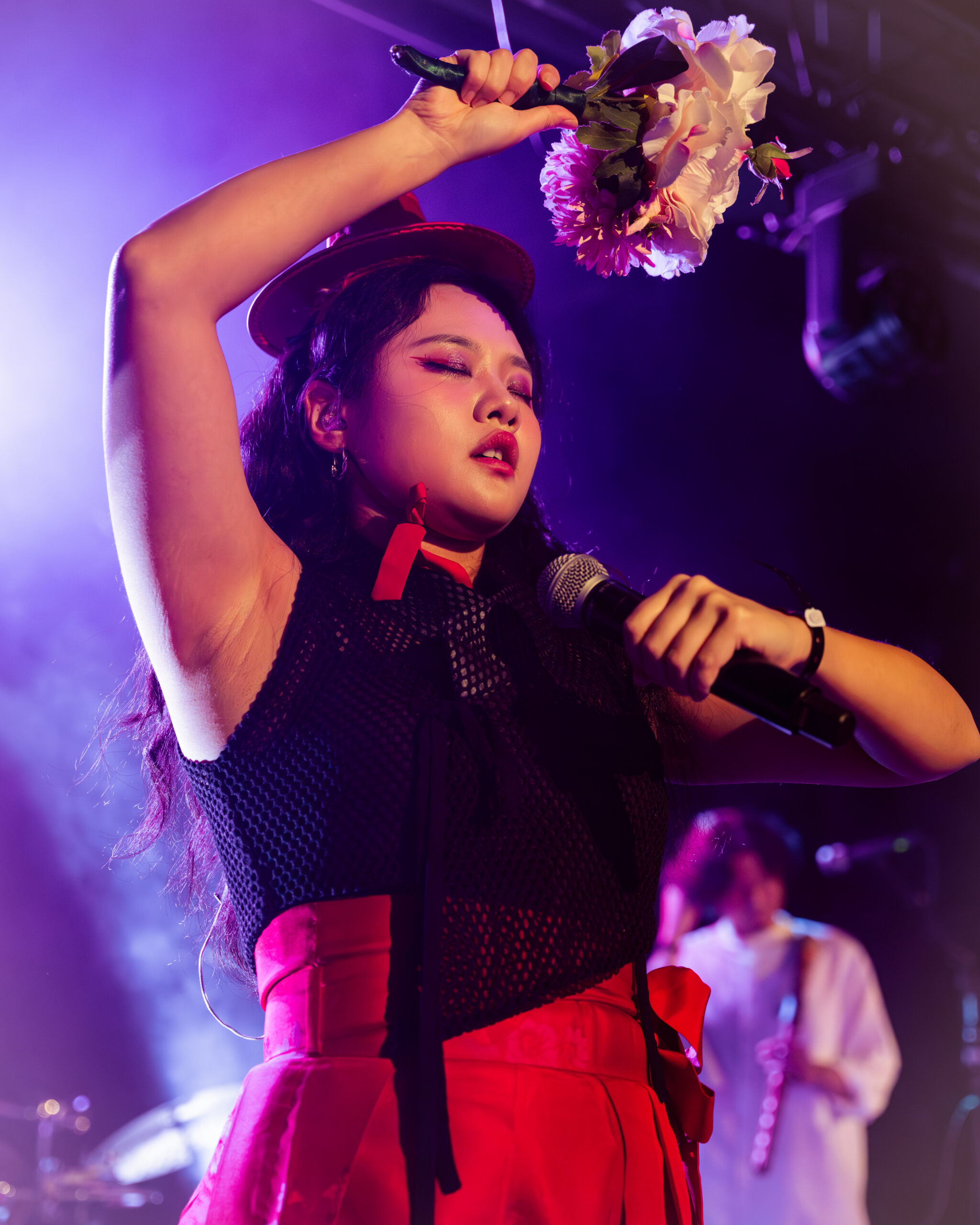
At first glance, nothing seems to fit together. Three singers wearing colorful hanbok-inspired outfits share the stage with musicians playing centuries-old Korean instruments—while sunglasses, laughter, and irresistible rhythms transform the performance into something entirely unexpected. Yet this unlikely combination is exactly what has made ADG7 one of Korea’s most celebrated cultural ambassadors.
Also known by their full name Ak Dan Gwang Chil (악단광칠), ADG7 has become one of the most original and acclaimed ensembles on today’s Korean music scene. More than a traditional music group, they are cultural storytellers who breathe new life into Korea’s musical heritage while captivating audiences across the globe.
Reinventing tradition
Unlike many traditional ensembles, ADG7 is not interested in simply recreating music from the past.
Instead, the group reimagines Korean traditional music for today’s audiences, creating a unique musical universe they like to describe as “Korean Psychedelic.” Their performances combine shamanic ritual music (gut), traditional folk songs (minyo), contemporary arrangements, humor, theatrical performances, and an irresistible festive atmosphere.
Much of their repertoire is inspired by the musical traditions of Hwanghae Province, a region now located in present-day North Korea. Many of these songs and shamanic rituals remain relatively unfamiliar even to audiences in South Korea. By reviving and reinventing them, ADG7 preserves an important part of Korea’s cultural heritage while reminding listeners of the shared roots that transcend the division of the Korean Peninsula.
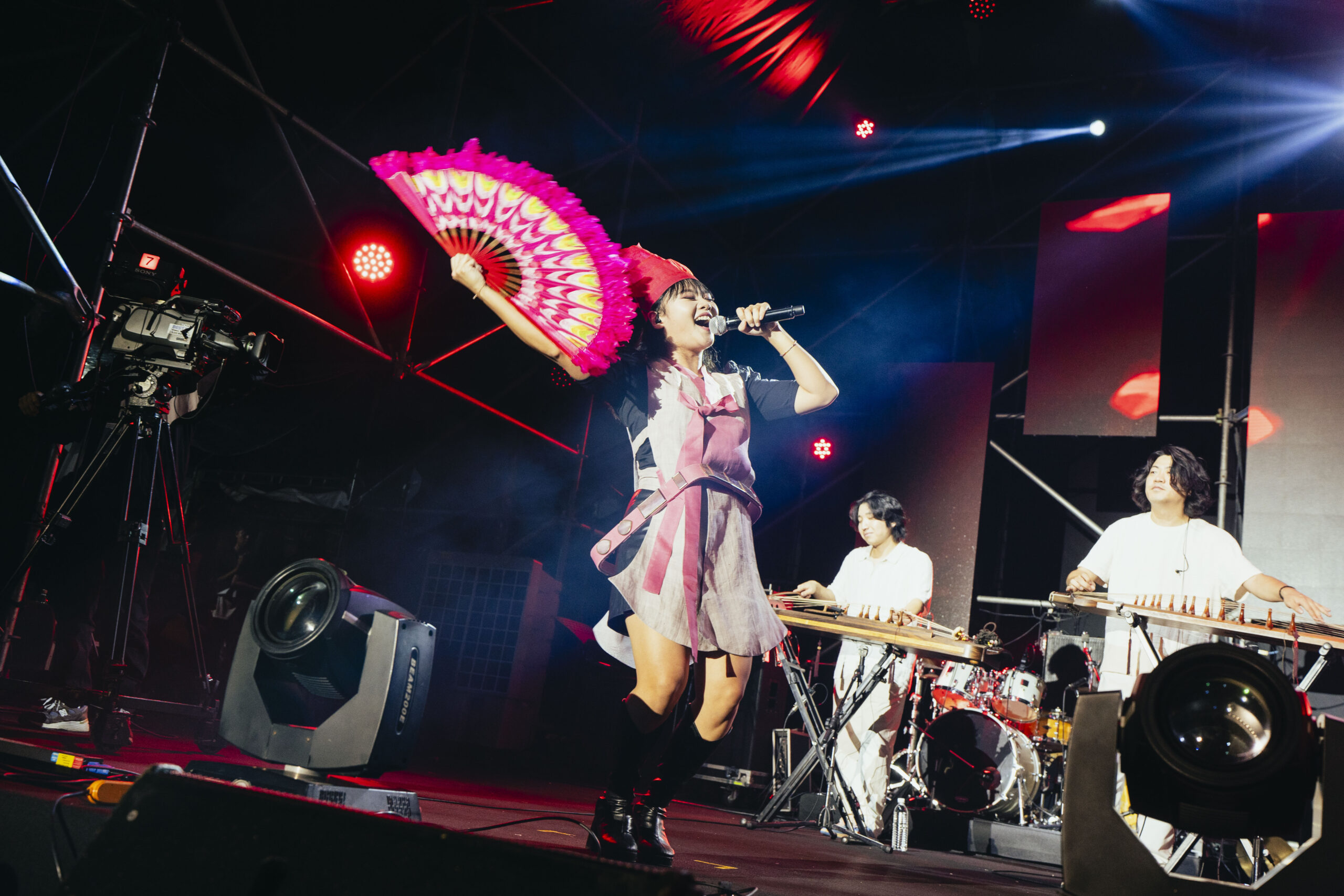
A visual experience as much as a musical one
Watching ADG7 is unlike attending a conventional traditional music concert.
Their colorful hanbok-inspired costumes are paired with sunglasses, playful choreography, constant audience interaction, and contagious smiles. Every performance celebrates both tradition and modernity, proving that heritage can be vibrant, entertaining, and accessible without losing its authenticity.
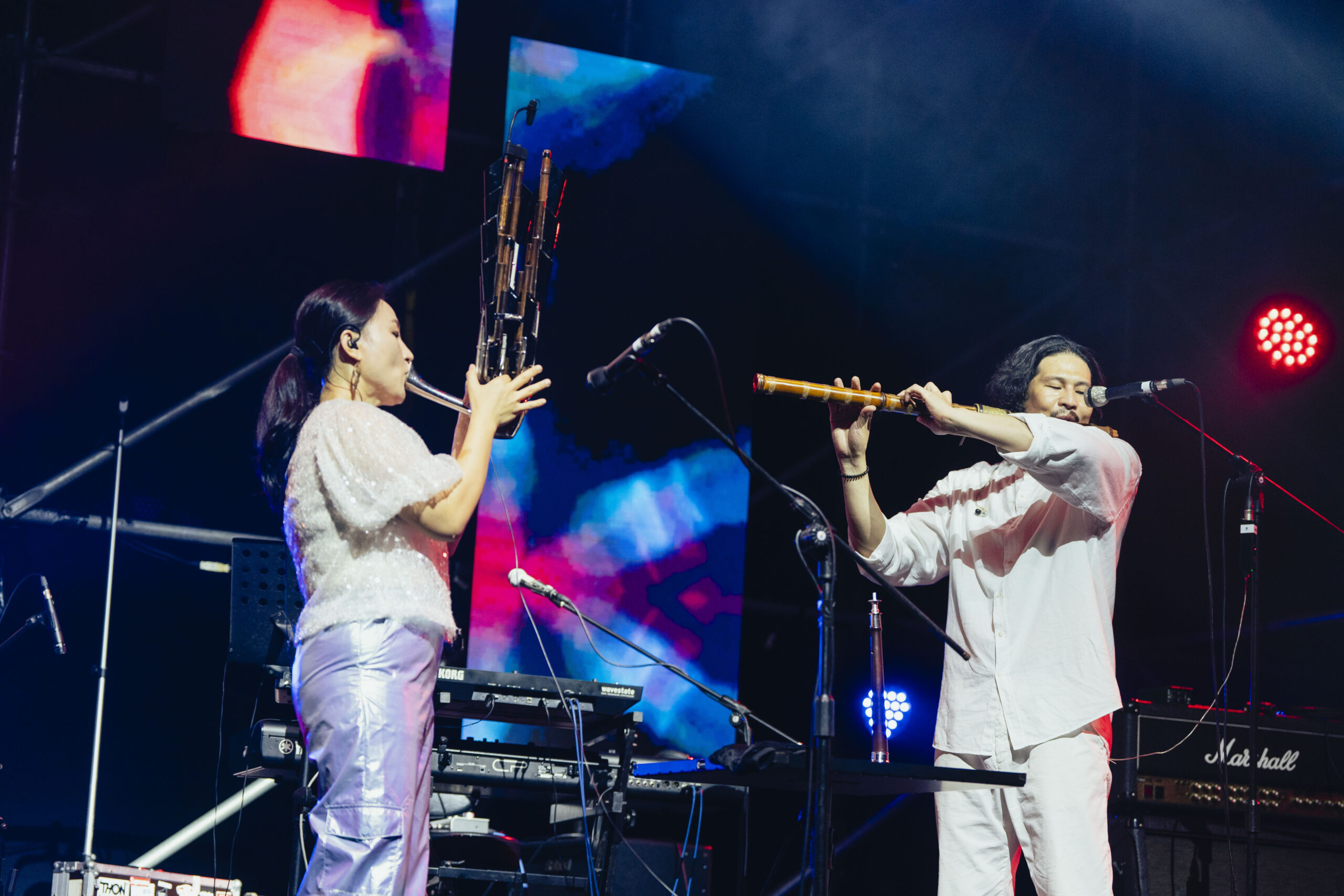
A name rooted in history
The group was founded in 2015, the year Korea commemorated the 70th anniversary of its liberation from Japanese colonial rule. Their very first performance took place as part of the official celebrations for Gwangbokjeol (광복절)—Korea’s National Liberation Day, celebrated every year on August 15 in both South and North Korea.
Their name reflects this important historical milestone. Ak Dan simply means “music band,” while Gwang Chil (광칠) is a clever play on words. Gwang refers to Gwangbok (“Liberation”), and Chil, the Korean word for the number seven, symbolizes the 70th anniversary of liberation. The abbreviation ADG7 echoes the naming style of many contemporary Korean groups while preserving this deeper historical meaning.
Although the band was born during the Liberation Day celebrations, its mission goes beyond commemorating a historical event. By rediscovering and reimagining musical traditions from across the Korean Peninsula—particularly the shamanic rituals (gut) and folk songs (minyo) of Hwanghae Province, now located in North Korea—ADG7 celebrates a shared cultural heritage that transcends today’s political borders. Their music expresses not only the meaning of liberation but also a hope for cultural unity through tradition.
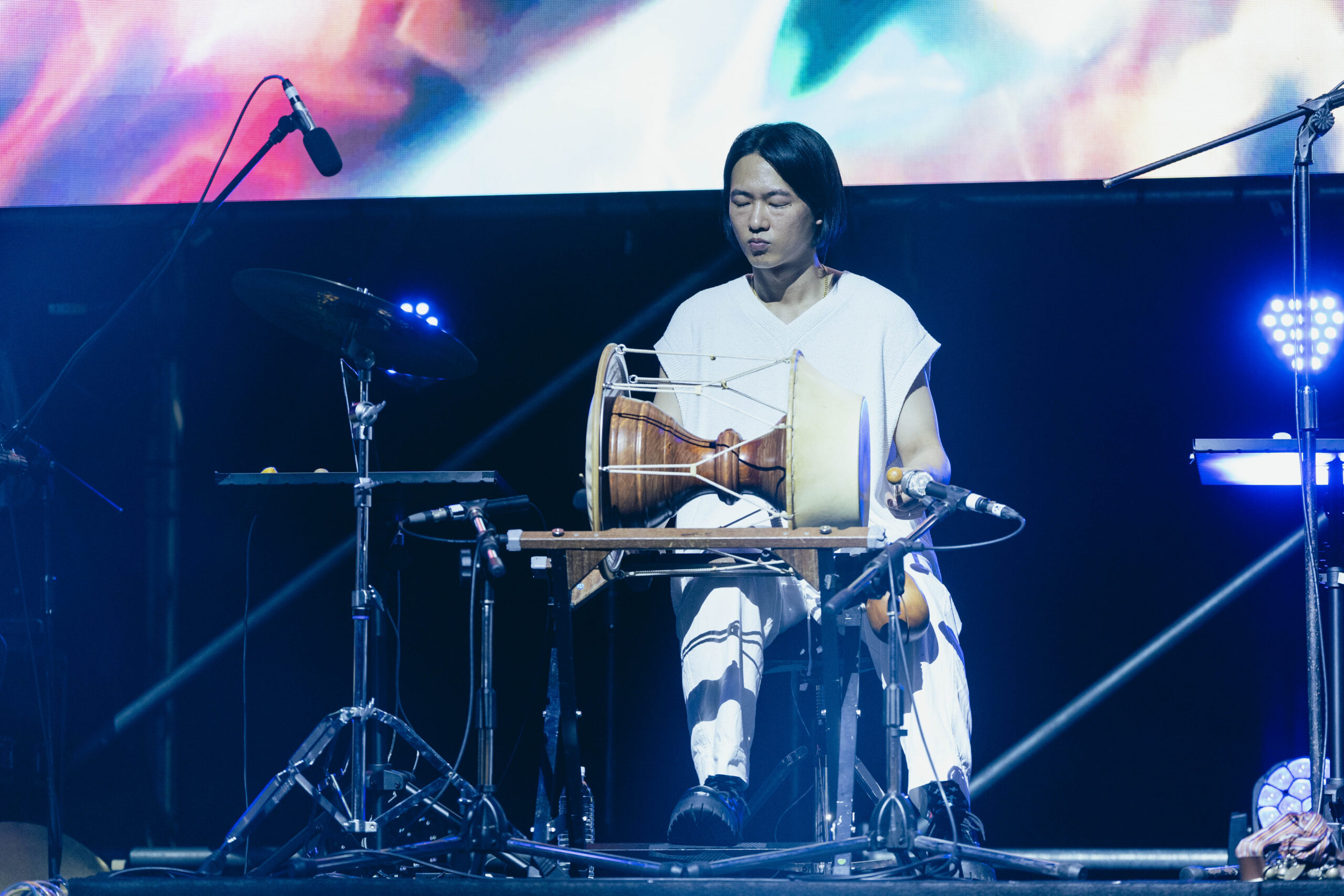
@sandramacadam
From Korean stages to the world’s biggest festivals
ADG7’s originality has earned them international recognition.
The group received the Sori Frontier Award at the Jeonju International Sori Festival as well as the Best Group Award at the KBS Korean Traditional Music Awards before taking Korean traditional music to some of the world’s most prestigious stages. They have performed at internationally renowned events and venues including Glastonbury Festival, Lincoln Center (New York), Elbphilharmonie (Hamburg).
Their performances have been praised by audiences and critics alike. The New York Times notably described ADG7 as a true “show band,” celebrating their remarkable ability to combine Korean tradition with contemporary performance energy.In 2025, the release of their EP Let’s Dance! further demonstrated the group’s commitment to pushing the boundaries of traditional Korean music while remaining faithful to its spirit of celebration, sharing, and human connection.