
Some bands are assembled with a clear plan in mind. Others come together more organically, built on friendship, shared ambitions, and a love of making music. South Korean POP band can’t be blue, composed by Lee Do-hun (vocals), Kwon Da-hyun (keyboard), Lee Hwi-won (bass), Kim Chae-hyun (guitar), and Park Jun-seo (drums), belongs firmly to the latter.
Ahead of their first-ever performance outside Asia at Rock in Roma in Italy, where they will open for ATEEZ, and shortly after the release in June 2026 of their first eponymous full-length album, the band answered our questions, reflecting on their journey from classmates to bandmates. Their answers reveal a group that values authenticity above all else, both in the music they write and the way they are building their career.
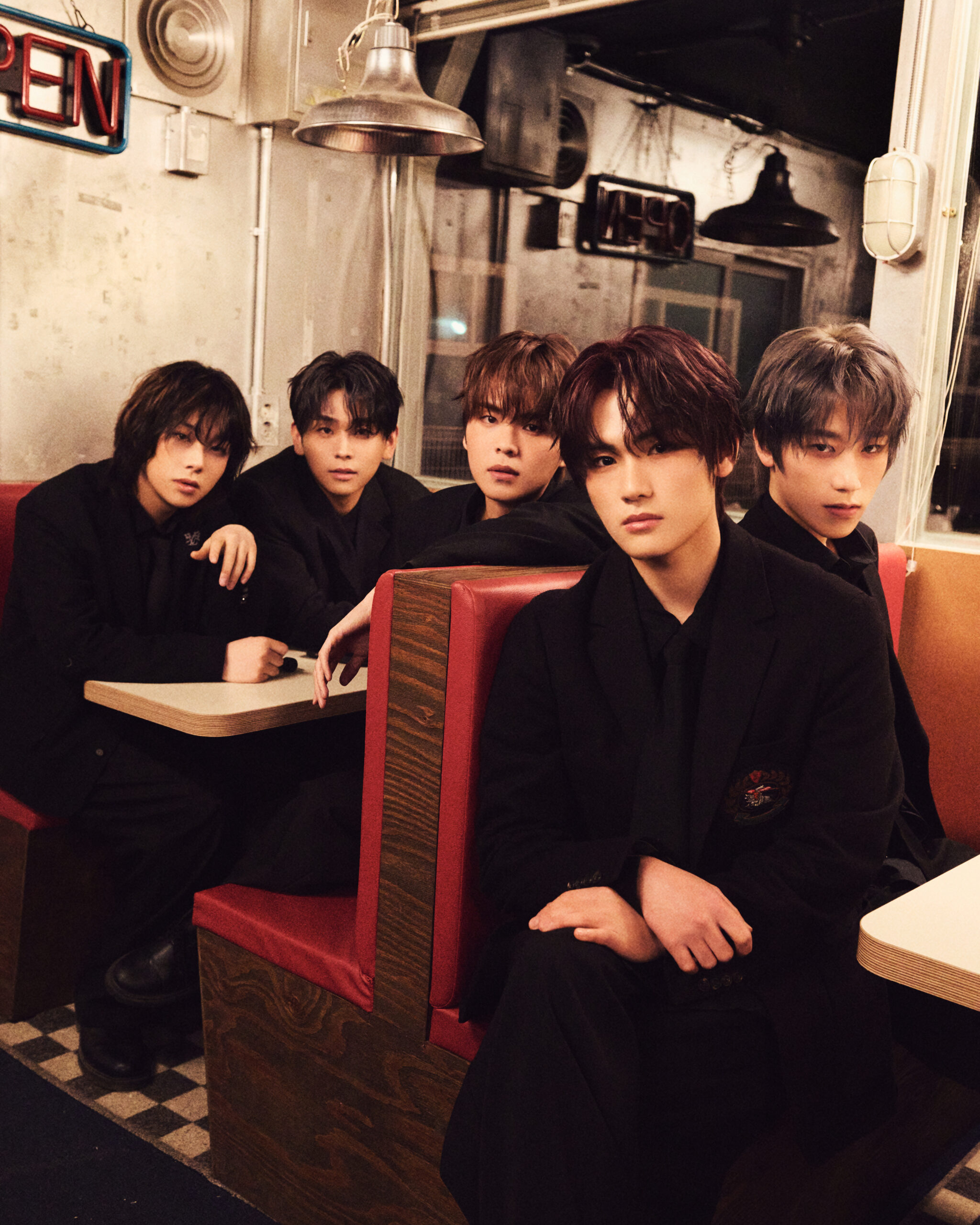
The story of can’t be blue began at university, where the members met while studying music. What started as classmates making music together gradually became something much bigger that has grown during “long nights in the practice room, trusting each other’s instincts enough to build something real together.”
“We met at the same university and decided we didn’t want to make music without each other,” they say. “Honestly, we started out almost like a DIY band, writing every song ourselves and even handling our own merchandise.”
“Our differences push and balance each other,” they explain. “The final sound never feels one-dimensional.”
That DIY mindset has remained central to the band’s identity. Asked to describe can’t be blue in just a few words, they choose three that perfectly capture both their music and their journey: “honest, melancholic, and stubborn enough to keep going.”
Even the band’s name carries a deeper meaning than many might expect. “The name ‘can’t be blue‘ isn’t about avoiding sadness,” they explain. “Everyone carries some sadness, big or small, and so do we. Rather than hiding it, we wanted a name that lets us pour that feeling out through our music: That’s exactly what we hope our music does.”
It’s a philosophy that resonates throughout their songs. Instead of offering easy optimism, can’t be blue creates music that acknowledges difficult emotions while encouraging listeners not to remain trapped by them.
Drawing inspiration from Billboard pop, J-pop, rock, R&B and beyond, the members have created a sound designed to resonate in different ways. “You might catch traces of Billboard-pop hooks or even a little J-pop in there,” they say. “It is music built for both quiet, personal listening and loud, live moments.”
That diversity stems from the band’s individual backgrounds. Guitarist and songwriter Lee Do-hun, whose father is a well-known singer, brings an instinct for melody and composition, while the other members balance those strengths with influences from rock, R&B and beyond.
“Our differences push and balance each other,” they explain. “The final sound never feels one-dimensional.”
One recent example of that collaborative spirit is can’t love, featuring HAN of Stray Kids. Rather than being a simple guest appearance, the band explains that HAN participated as a true creative partner, helping shape the song as both a lyricist and composer from the earliest stages.
“It came together naturally through mutual respect for each other’s music,” the band explains. “HAN wasn’t just featured, he shaped the song’s direction as a co-writer, so the process was a real collaboration from the beginning, not just an addition after the fact.”
Live performances are more than a way for can’t be blue to share their music: it is an essential part of how they create it. Every concert becomes a conversation with the audience, revealing which moments resonate most deeply and feeding directly back into their songwriting. For the band, the stage doesn’t simply showcase their musical identity; it actively shapes it.
“We started out playing a 40-seat venue to an audience of three,” they recall. “Playing live constantly reminds us of which moments in a song actually connect, where the crowd leans in, where the energy peaks. That feedback shapes how we build songs from the start, even in the writing room.”
“We want them to remember that we’re a real band,” they write. “Playing our own instruments, writing our own songs, and meaning every word of it.”
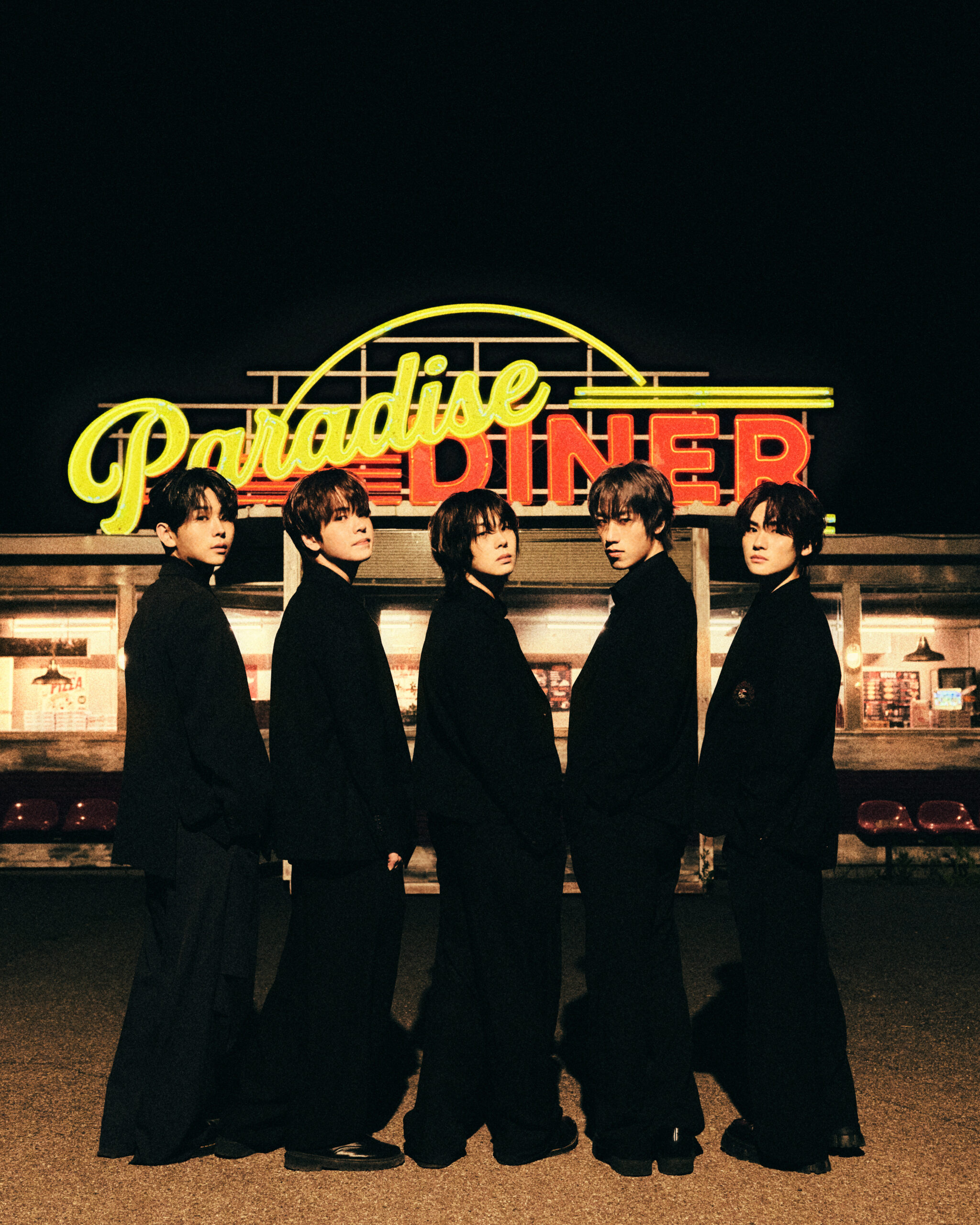
The stage doesn’t simply showcase their musical identity; it actively shapes it.
That experience has led them to one of the biggest moments of their career so far. Performing at Rock in Roma will mark their first concert outside Asia, and opening for ATEEZ makes the occasion even more significant. When asking them how their first reaction to this proposal was, they answer: “Honestly, disbelief at first: it didn’t feel real that our first show outside Asia would be on a stage that size, opening for global stars ATEEZ.” But surprisingly (or not), yet rather than viewing the performance as the culmination of their journey, they see it as another step toward even bigger ambitions.
“We want to make the most of it and keep working toward our bigger goals: festival headline slots, and eventually a Grammy nomination.”
Asked what they hope audiences will remember after seeing them perform, their answer reflects everything they have worked towards since their university days.
“We want them to remember that we’re a real band,” they write. “Playing our own instruments, writing our own songs, and meaning every word of it.”
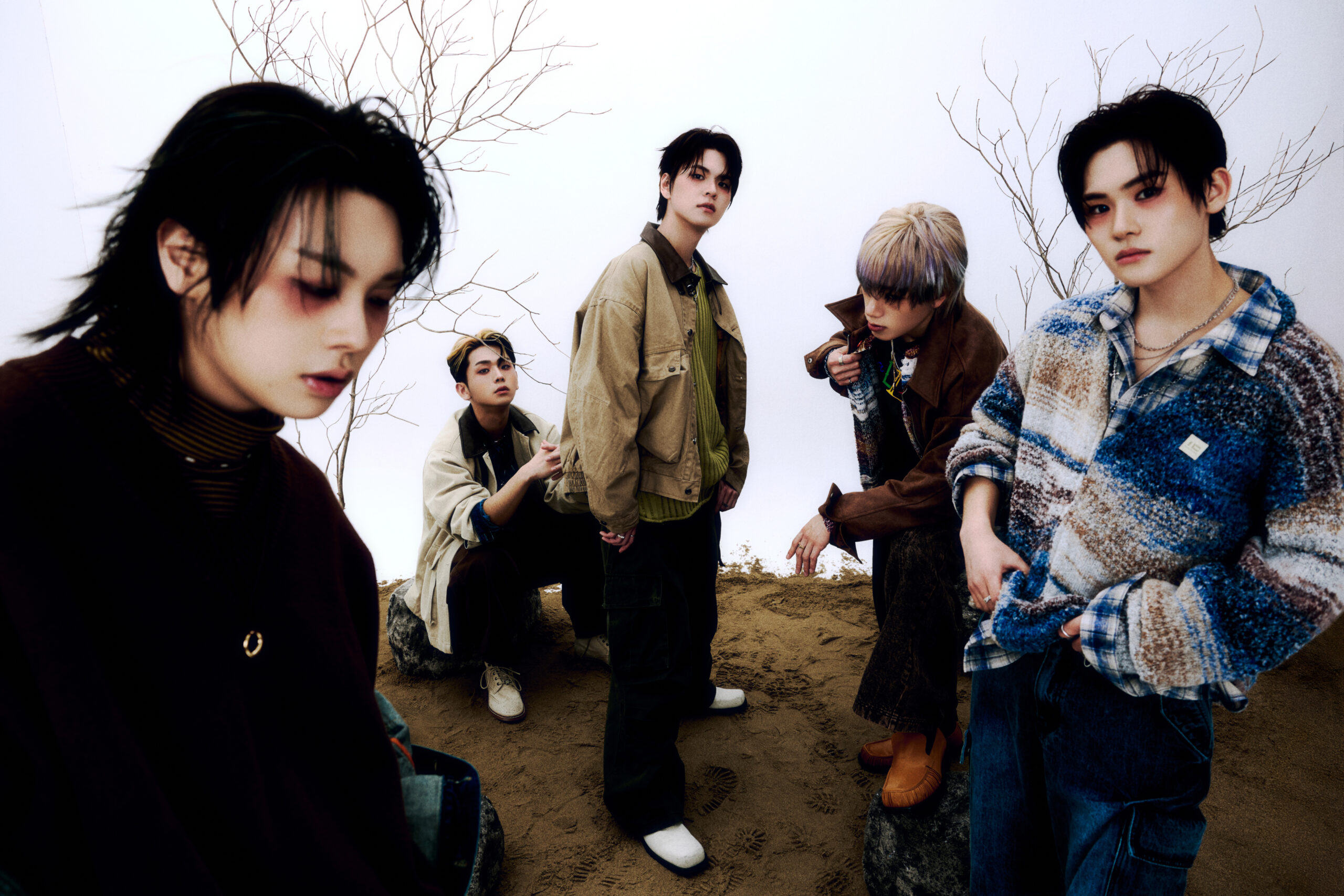
With Switzerland only a few hours from Rome, European fans may well have more opportunities to see can’t be blue soon. Until then, the band hopes their music can continue travelling across borders.
Their message is simple but heartfelt:
“We hope our music can help you let go of melancholy in whatever way works for you and that you never feel stuck in it forever.”
Reading through their responses, one thing becomes clear: can’t be blue isn’t trying to escape sadness. Instead, they embrace it, transform it into music, and invite listeners to do the same. Built on friendship, trust and unwavering authenticity, the band has taken its first steps onto the international stage, but it feels very much like this is only the beginning.
One thing is certain: the invitation to Switzerland has already been sent. With world-renowned festivals such as Paléo Festival and the Montreux Jazz Festival, we’d be delighted to see the band bring their unique sound to Swiss audiences soon.
We would like to extend our sincere gratitude to Can’t Be Blue for taking the time to answer our questions and for sharing their story with such honesty and warmth.
Our heartfelt thanks also go to the band’s management CATS WHISKERS Co., Ltd. for their trust and support throughout the interview process.
Finally, we would like to express our appreciation to Kinetic Vibe, whose collaboration and support made this interview possible.