
South Korea has long demonstrated an exceptional ability to transform stories into cultural phenomena. From web novels and webtoons to television series, music, film, and immersive experiences, Korean creators have mastered the art of building bridges between creative worlds. Today, they are taking that vision one step further: turning successful entertainment IPs into educational experiences.
When people hear the term Intellectual Property, or IP, they often think of copyrights or trademarks. In today’s entertainment industry, however, an IP is much more than a legal concept: it is an entire creative universe with its characters, story, setting, visual identity, and everything that makes it recognizable. The strongest IPs don’t stay confined to a single format. Instead, they evolve and reach new audiences through different forms of media.
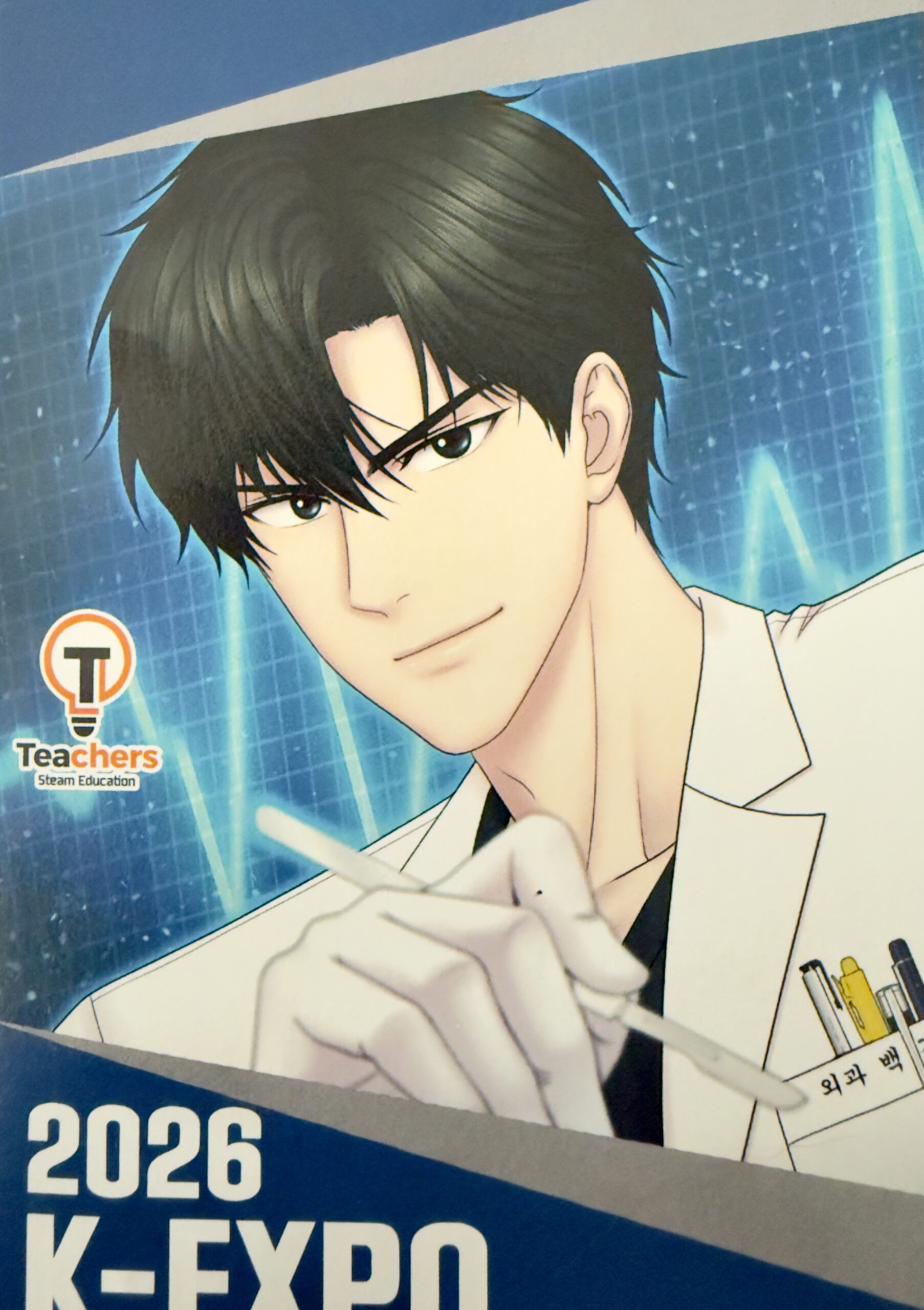
Source: Vicdream Co., Ltd. (official brochure).
A perfect example is The Trauma Code : The story first gained popularity as a web novel Trauma Center: Golden hour. Its success led to a webtoon adaptation allowing readers to experience the story through illustrations and dynamic storytelling. It then made the leap to a Netflix series The Trauma Code: Heroes on Call, introducing the same characters and universe to millions of viewers worldwide.
This journey illustrates how a successful IP can grow across multiple platforms while remaining true to its original story. But what if that wasn’t the final destination?
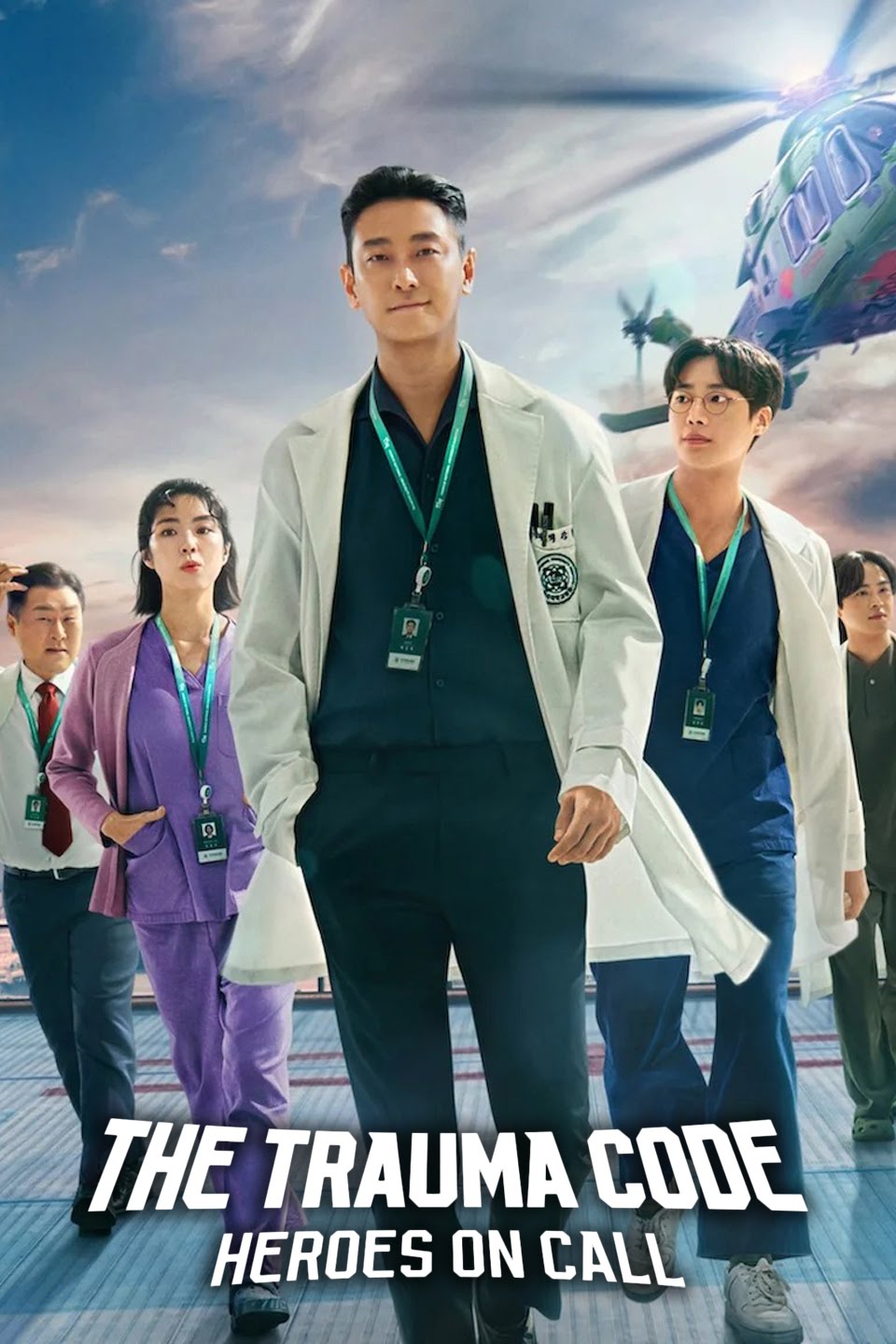
Promotional poster © Netflix.
The Trauma Code is a fast-paced Korean medical drama centered on an elite trauma surgeon determined to transform an underperforming emergency trauma center. As he and his team race against time to save critically injured patients, the series combines high-stakes medical emergencies with themes of teamwork, innovation, leadership, and ethical decision-making.
From Entertainment to Education
One of the most interesting ideas emerging from South Korea’s creative industries is that a successful IP can become more than entertainment. Instead of simply asking, “What’s the next adaptation?”, creators are beginning to ask: “How can this story help people learn?” This is where STEAM education comes in. STEAM stands for Science – Technology – Engineering – Arts – Mathematics.
Rather than teaching these subjects separately, STEAM encourages students to connect them through real-world projects and experiences. Stories can become powerful learning tools because they provide context. Instead of studying abstract concepts in isolation, students discover them through situations that feel meaningful and engaging.
Why The Trauma Code Is a Great Example
At first glance, Trauma Code is a gripping medical drama. Look a little closer, however, and it becomes an excellent gateway to STEAM learning, developed by Korean Company VicDream through the brand Teachers Steam Education.
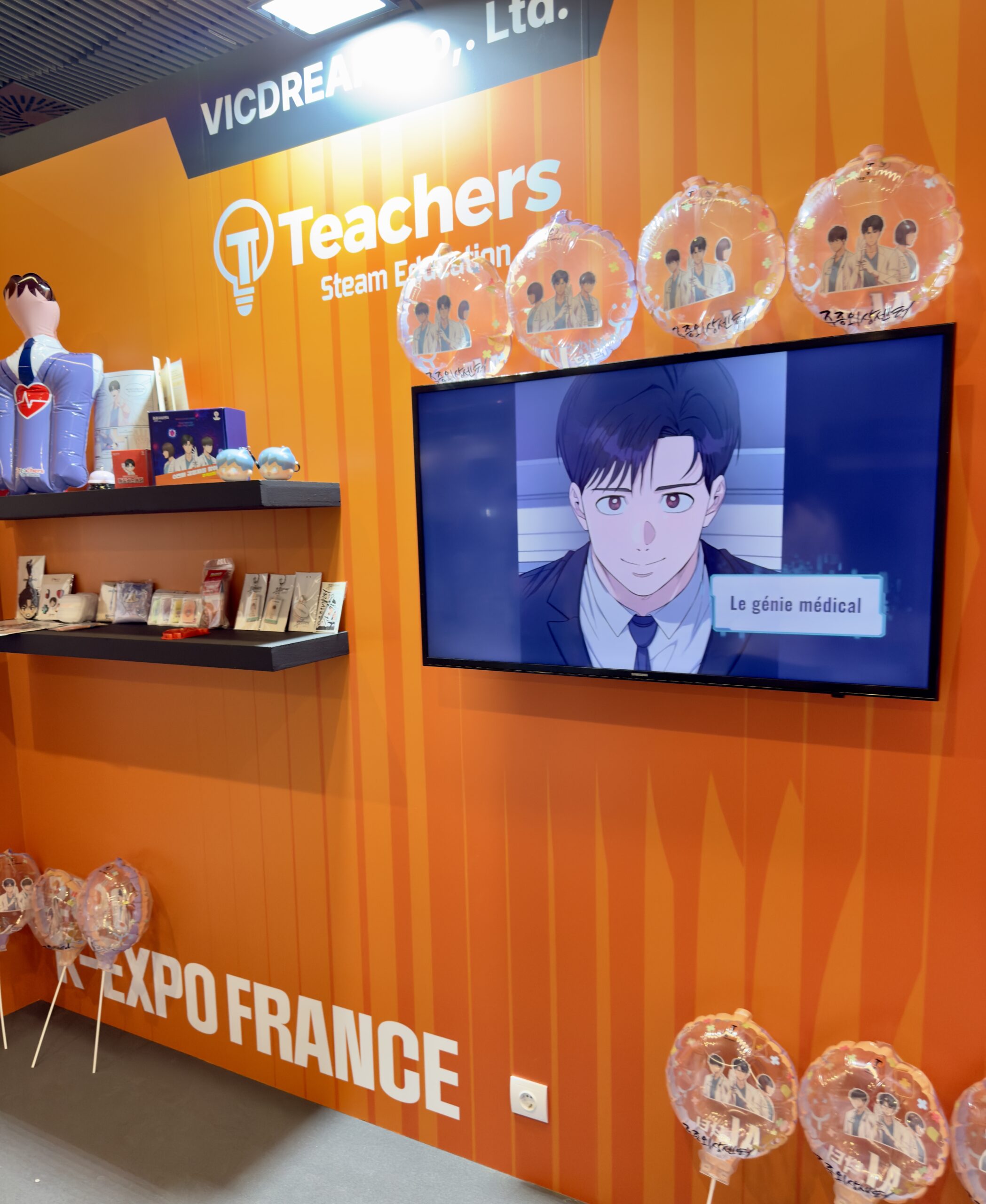
Curiosity created by the story leads naturally to explore:
Science: How does the human body respond to severe injuries? What happens during trauma care? Why do doctors make certain medical decisions?
Technology: What medical equipment is used in emergency medicine? How do CT scanners, monitors, and surgical tools work?
Engineering: How is an emergency department designed to save precious seconds? How are operating rooms organized? How do hospitals coordinate teams during critical situations?
Arts: How is suspense created? How do artists transform a novel into a webtoon and create design concepts? What changes when the same story becomes a television series?
Mathematics: How are vital signs interpreted? How are medication doses calculated? How do hospitals use statistics to improve patient care?
Suddenly, one story becomes the starting point for exploring multiple disciplines.
This is precisely why successful IPs are so valuable. Students are often more motivated to learn when lessons are connected to stories they already enjoy. Rather than replacing traditional education, a familiar fictional universe can spark curiosity and encourage deeper exploration. In this sense, the educational value doesn’t come from the story alone, it comes from the discussions, experiments, and projects that the story inspires.
A New Role for Entertainment
For many years, the goal of a successful IP was simple: create a bestselling book, a popular series, or a blockbuster film.
Today, another possibility is emerging: A successful IP can become a bridge between entertainment and education.
Rather than seeing Trauma Code only as a web novel, a webtoon, or a Netflix series, educators can also view it as a platform for inspiring students to explore medicine, engineering, technology, mathematics, and the creative arts.
Perhaps that is the next chapter for the world’s most successful stories by not simply reaching more screens, but opening more minds.
Building on the success of the Trauma Code IP, Korean Brand Teachers Steam Education is developing a new generation of educational resources designed around the principles of STEAM learning. Rather than asking students to simply watch or read the story, the company is transforming its universe into immersive educational experiences, classroom teaching kits, and innovative learning content that allow educators to explore multiple disciplines through a single narrative.
South Korea has already shown the world how a story can travel from page to screen. The next challenge may be just as ambitious: helping that same story travel from the screen into the classroom.
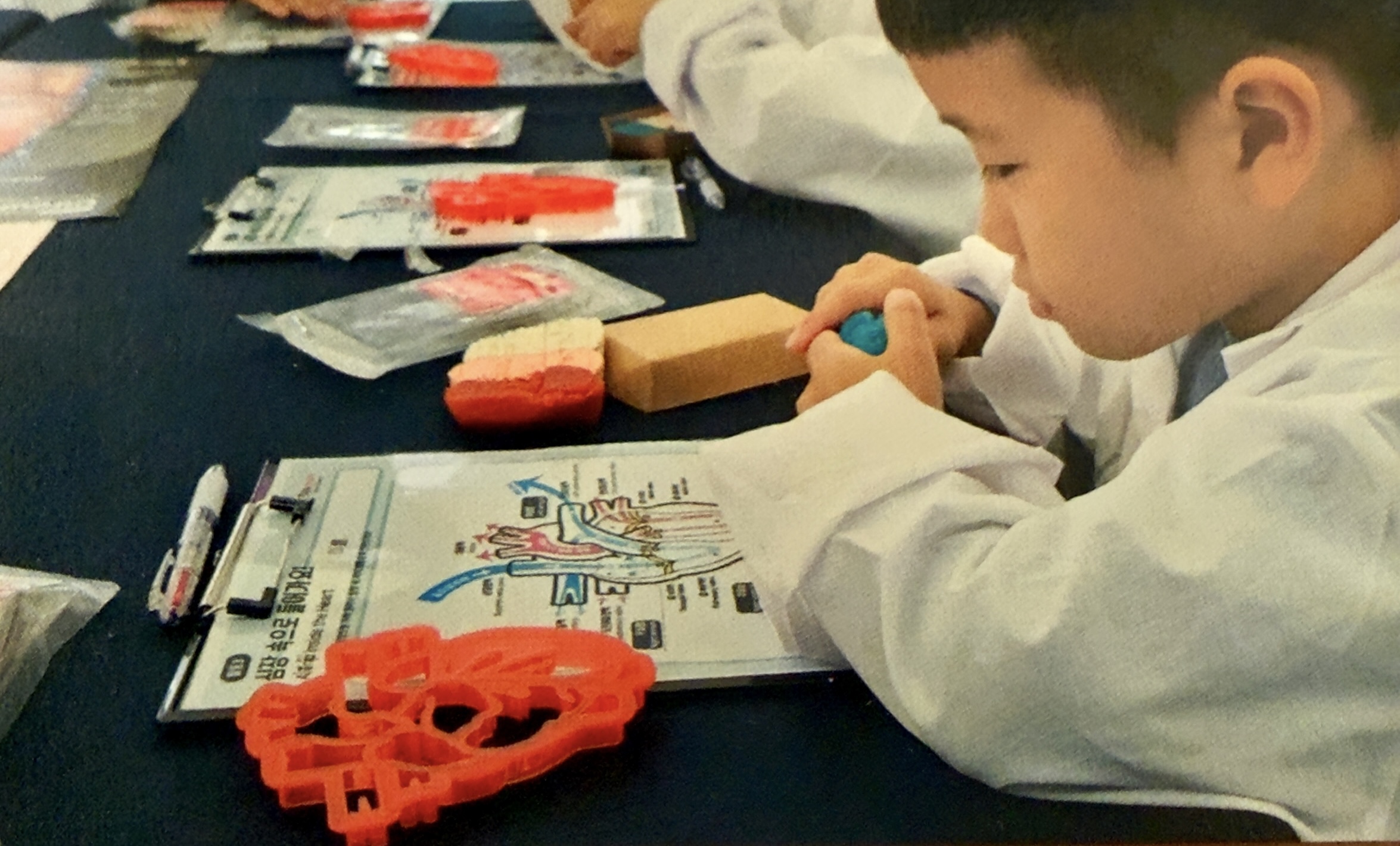
Source: Vicdream Co., Ltd. (official brochure).
This article is based on firsthand observations and discussions during our visit to the 2026 K-Expo France in Paris, where we explored the convergence of Korean storytelling, entertainment, and educational innovation.
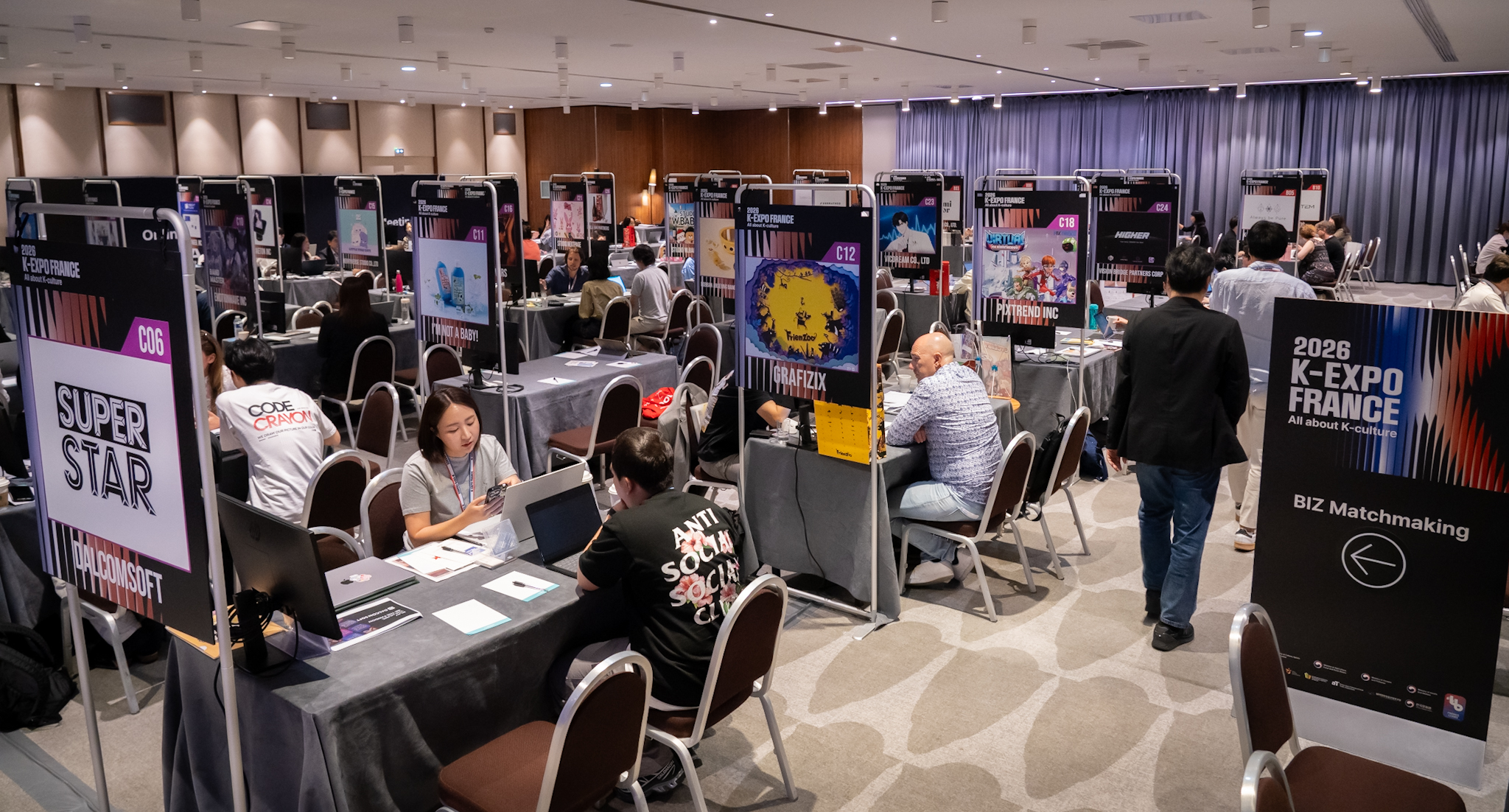
Courtesy of 2026 K-Expo France (Press Office).